


MySunshineCandless
Fruit & Flowers WOOD DOUGH BOWL Candle Brown Sugar & Fig
Fruit & Flowers WOOD DOUGH BOWL Candle Brown Sugar & Fig
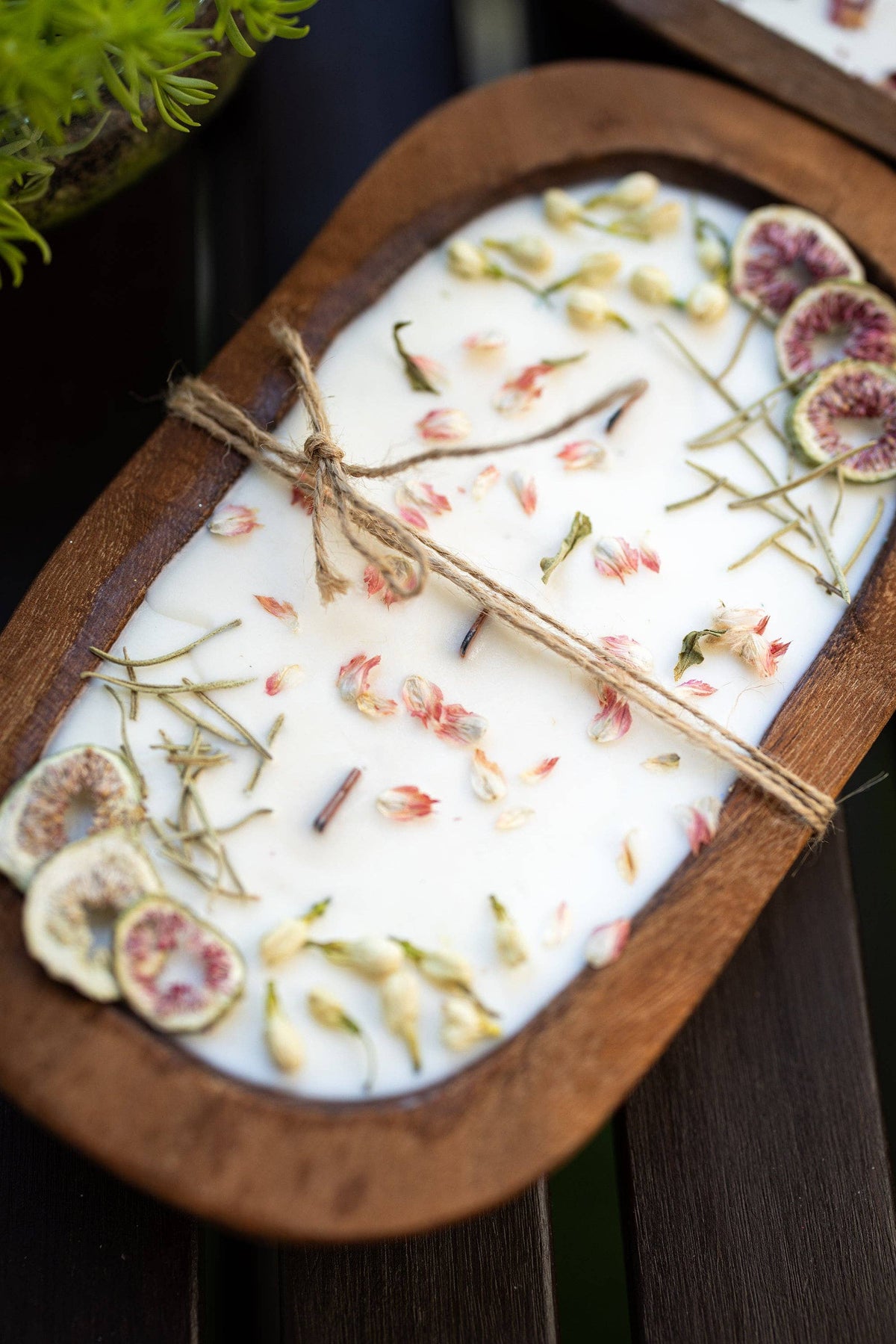
Fruit & Flowers Wood Dough Bowl Candle
What a Beautiful Fruit & Flower dough bowl candle, is such a great addition to any home decor, farmhouse, farmhouse decor.
𝐒𝐢𝐳𝐞 : • Long-about 10 in Bowl • H-1.75in • Wide:5.75in Please note: as the dough bowls are hand-carved and sourced from a local seller, the shape, color and sizes may vary. Please never leave a burning candle unattended. . Please note if you decide to burn this candle, since everything is dry and real and this is wood, if you don't remove the decor on top or you don't move it around they can get of fire. So Please make sure you use your own safety and cation on your own risk.
Couldn't load pickup availability


FAQ
How much meat can I expect to get?
The average ready-to-butcher Angus cow weighs 1,150 pounds. This can vary a lot, depending on breed, finishing and management of the producer marketing the animal.
Once the animal is butchered and hide, head and internal organs removed, it usually weighs about 62 percent of the live weight. This is called the hanging weight. On that 1,150 pound animal that would be about 713 pounds.
Most producers figure the quarter/half/whole price based on the hanging weight.
After the beef hangs and ages for two to three weeks, which tenderizes and develops flavor in the meat (and also shrinks a little as some of the water evaporates) the carcass is broken down further, and excess bone, connective tissue and fat is removed.
About 21 percent of the hanging weight is removed in this process, leaving about 563 pounds of edible meat from a whole animal.
So, if you pay (for example) $3.25 a pound, figured on hanging weight, the actual price per pound will be about $4.35, if it processes according to the averages. Most custom meat processors charge from $.90 to $1.20 per pound, hanging weight, to process, so you’ll be looking at about $5.12 total, per pound for processed beef.
Keep in mind that includes all steaks, hamburger, roasts, ribs, etc.
How much of that will be hamburger?
How much hamburger you get depends somewhat on how you order it. Hamburger comes from the parts of the animal that are too tough or difficult to cook, or are too small to cook as steaks or roasts. If you don’t cook roasts or flat iron steaks, for example, you can ask to have those ground. If you don’t ask for any special cuts, on average, about 38 percent of the edible portion of the animal will be ground into hamburger. So on our average 637-pound animal, you’d expect about 242 pounds of hamburger.
Can I buy just hamburger?
Maybe. Some people may be selling animals that are older and less tender than a typical butcher animal, and may be most suitable for hamburger, rather than cutting into steaks and roasts. In that case, unless they’re labeled for resale, those animals would need to be sold by the half or quarter as well.
What is “hanging weight”?
Hanging weight is how much the carcass weighs after it’s skinned and the head and internal organs are removed. This is usually about 62 percent of the live weight of the animal, and what most private beef sellers base their per-pound cost on.
The butcher shop wants “cutting orders.” What does that mean?
“Cutting orders” are how you want your meat cut and packaged. This includes how much fat you want in your burger (standard is usually 85% lean), how thick you want your steaks, how much hamburger you want in a package (usually 1-2 pounds) how many steaks per package, whether you want round steaks tenderized, cubed or left alone, what size you want the roasts, whether you want the ribeye as steaks or roasts. There are a lot of questions, and many processors have a “cut sheet” they ask the customer to fill out in person, or over the phone. You can also decide if you want the organ meats, like the liver, heart and tongue, plus soup bones, ox tail and tallow (extra fat they trim off).